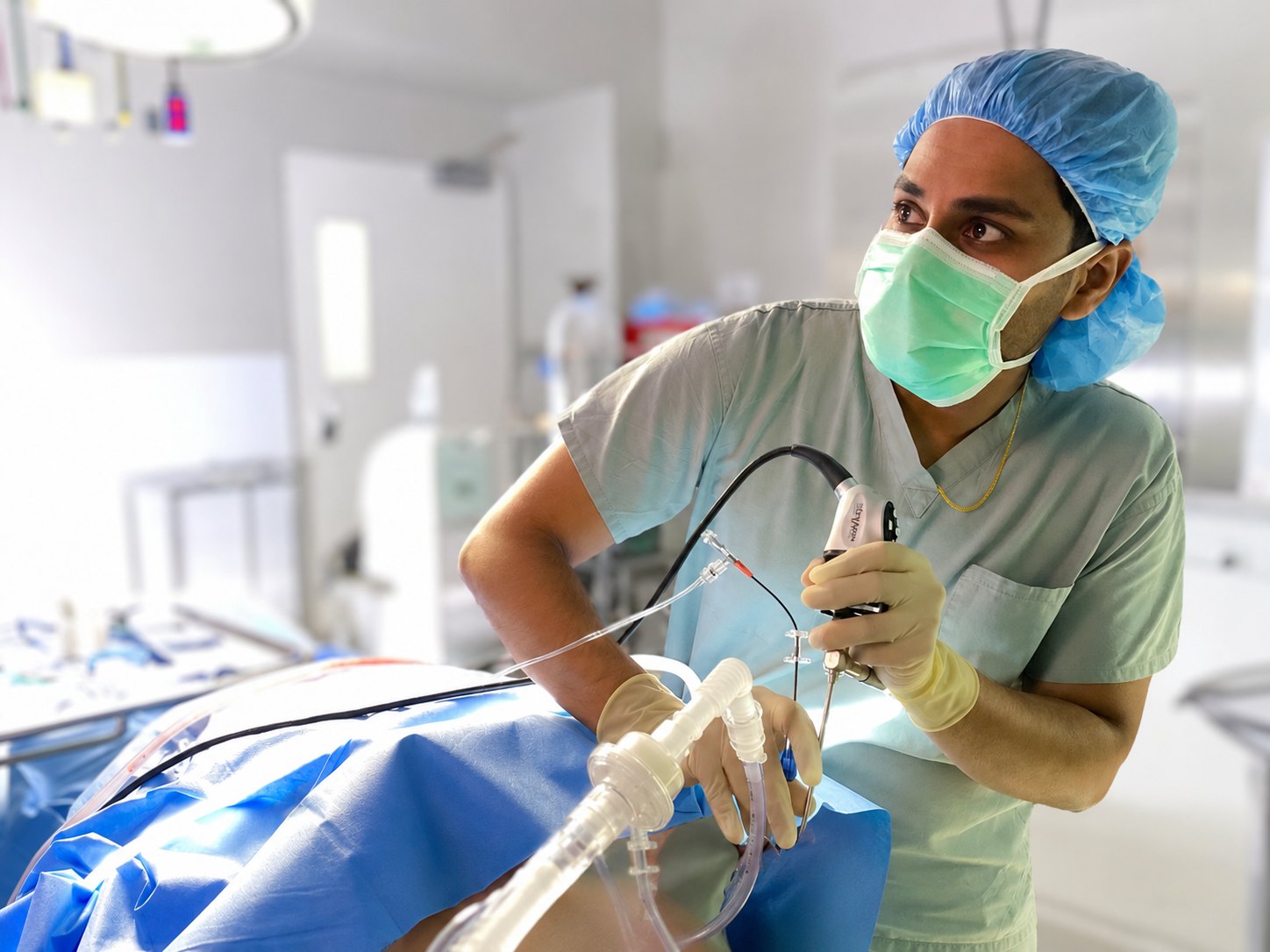
I'm a senior resident in Otolaryngology–Head & Neck Surgery at the Detroit Medical Center. Practicing in the heart of the city, I care for patients with advanced, complex disease. Head and neck problems are frightening — they touch how people breathe, eat, speak, and look — so I try to do two things well: treat the disease carefully, and make sure each patient truly understands what's happening and why.

I'm a senior resident in Otolaryngology–Head & Neck Surgery at the Detroit Medical Center.
I came to medicine the long way — neuroscience at Georgia State, then my MD at
Oakland University William Beaumont — and to ENT because it asks you to be precise with
your hands and thoughtful with people, often in the same afternoon.
Residency is humbling in the best way. Most days are made of small things done carefully:
a clinic visit, an operation, a hard conversation with a worried family, an hour spent
teaching the medical students who rotate with us. I'm just trying to get a little better at each.
I've also always wanted to understand how things actually work — which is how I've ended up
so curious about AI. I'm not an expert, and I'm not selling anything. I just
believe doctors who genuinely understand the technology will be useful in the years ahead,
and I'd like to be one of them. Mostly, though, I'm just in steady pursuit of two things:
knowledge and a little balance along the way.
Outside the day-to-day of residency, this is where my attention keeps going.
The craft of it: operating, caring for patients, and the slow, humbling work of becoming a better surgeon one case at a time.
I'm the medical-student liaison for our ENT program, and I run its Instagram — @dmc_otolaryngology. Helping students find their footing and sharing our program's story is some of the most rewarding work I do.
I like understanding how things actually work, AI included. I care less about the hype than the plain question: where might this genuinely help patients, and where won't it?
I've been fortunate to contribute to research across otolaryngology, plastic surgery, and radiology. A few papers I helped lead:
Current focus: diagnostic workups for vertigo, and quality improvement in pediatric ENT.
View all 21 publications →I'd rather post nothing than add noise. But lately I've been building things with AI — a website, a tool, a presence — and writing up what the pathway actually looked like, in case it's useful to someone else.
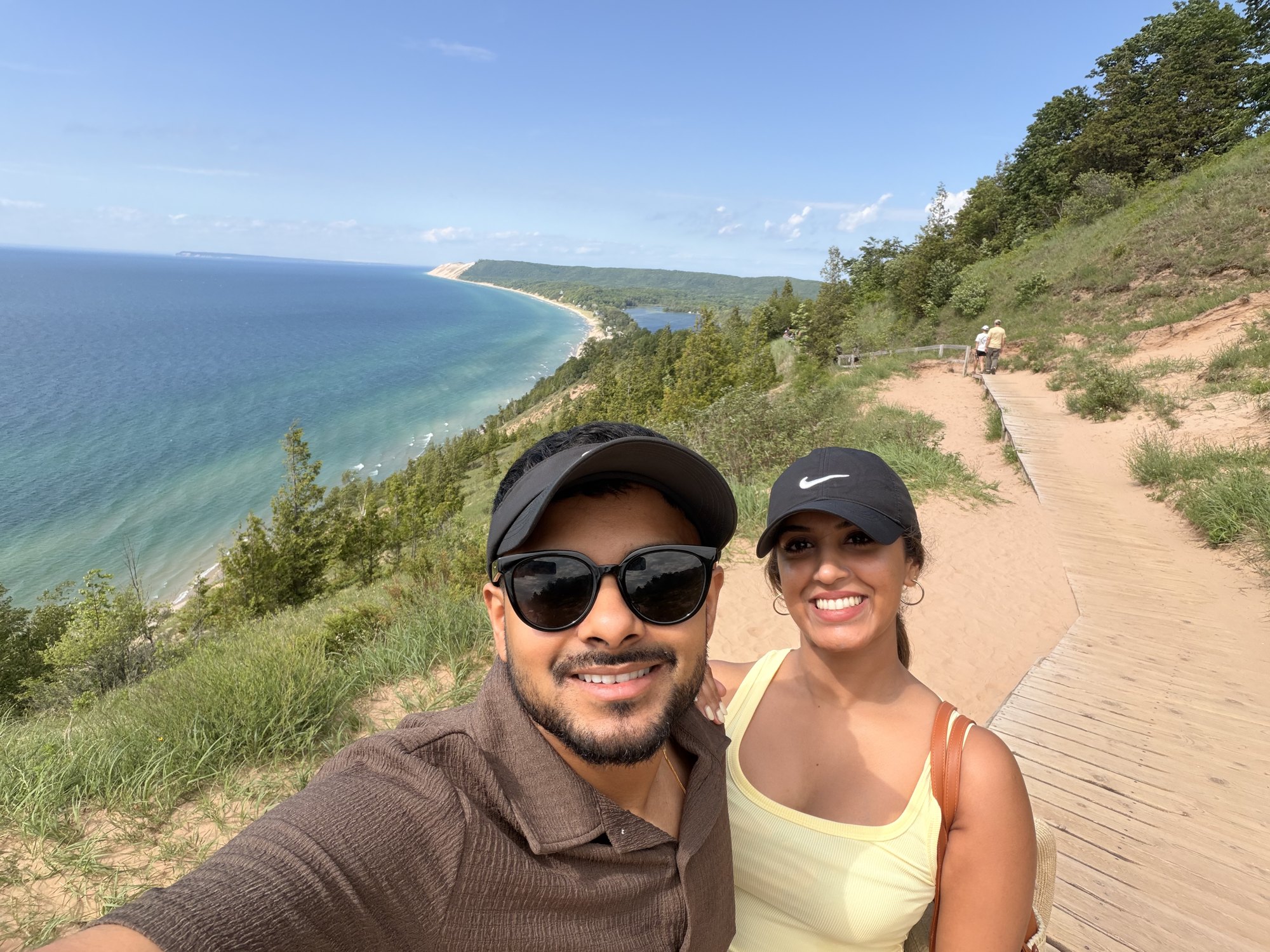
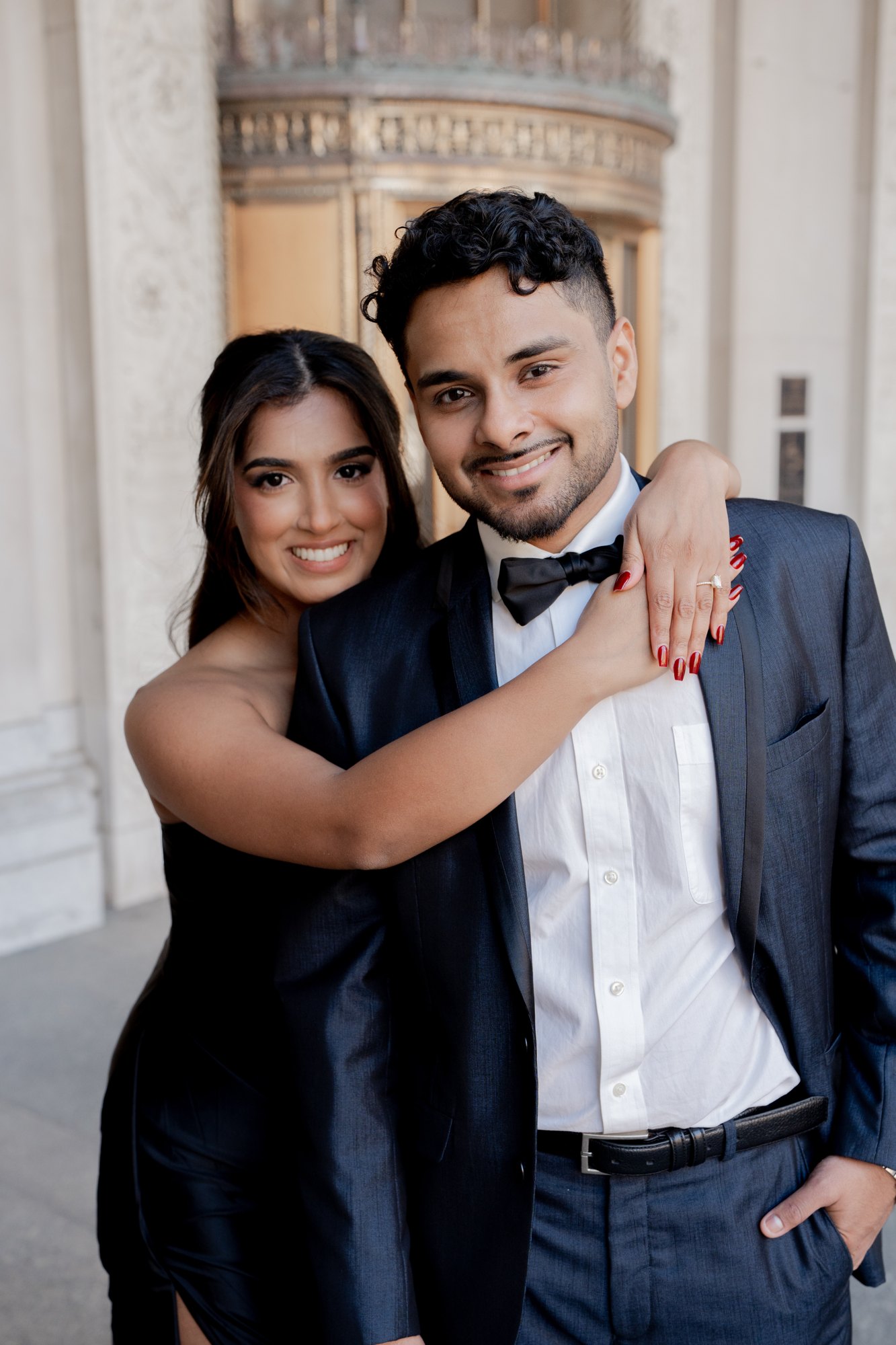
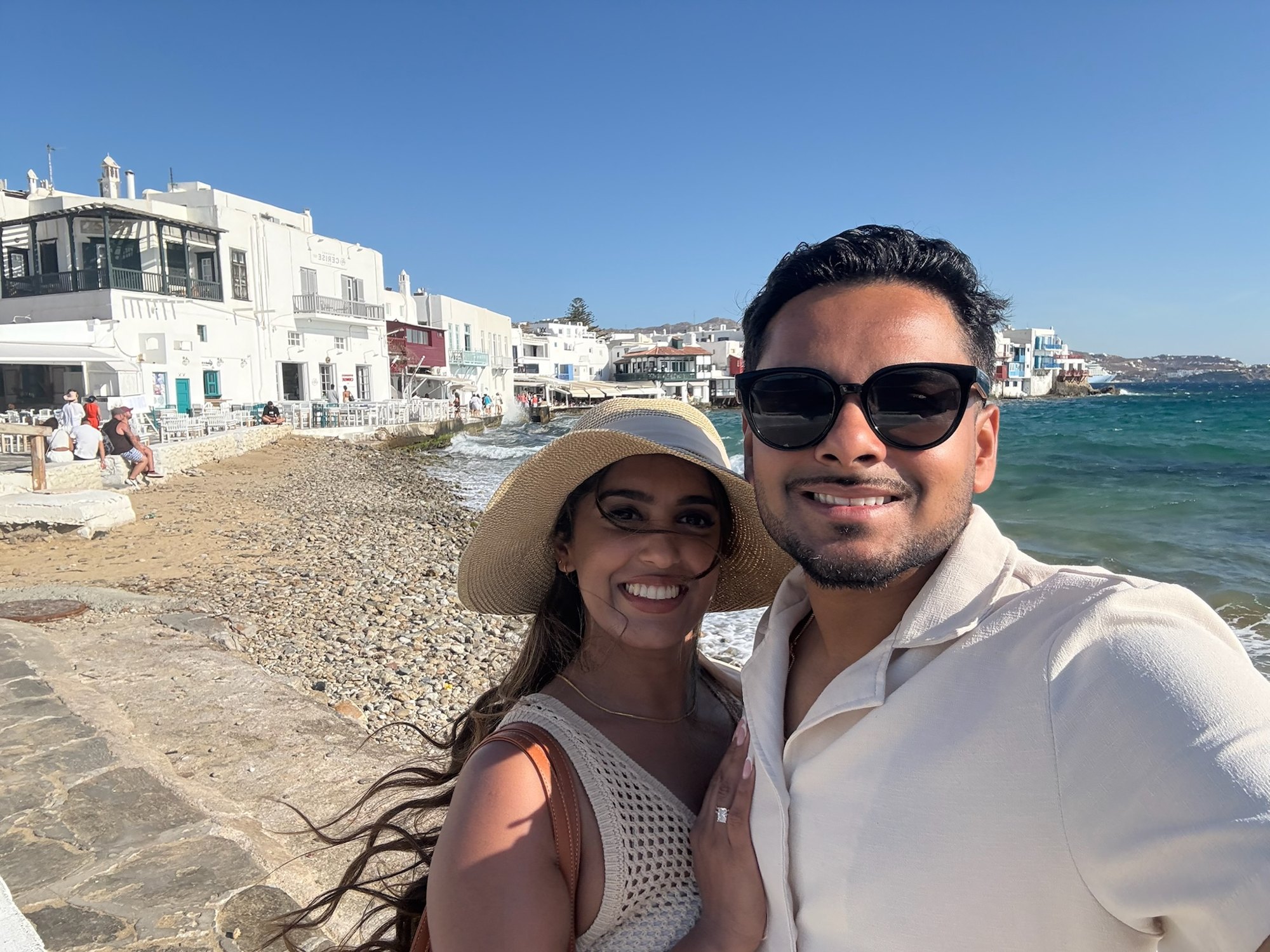
When I'm off the clock, life is simple and good. Most of it revolves around my wife — who's also an ENT nurse practitioner — along with family, faith, and a standing weakness for basketball, travel, and a good meal. I've always believed the people around you matter more than any title, and I try to live like it.
Whether you want to talk medicine, compare notes on AI, or just introduce yourself — I'd genuinely be glad to hear from you.